Seasonal Allergies
- RICHARD TEMPLEMAN
- Apr 15
- 3 min read


Seasonal Allergies
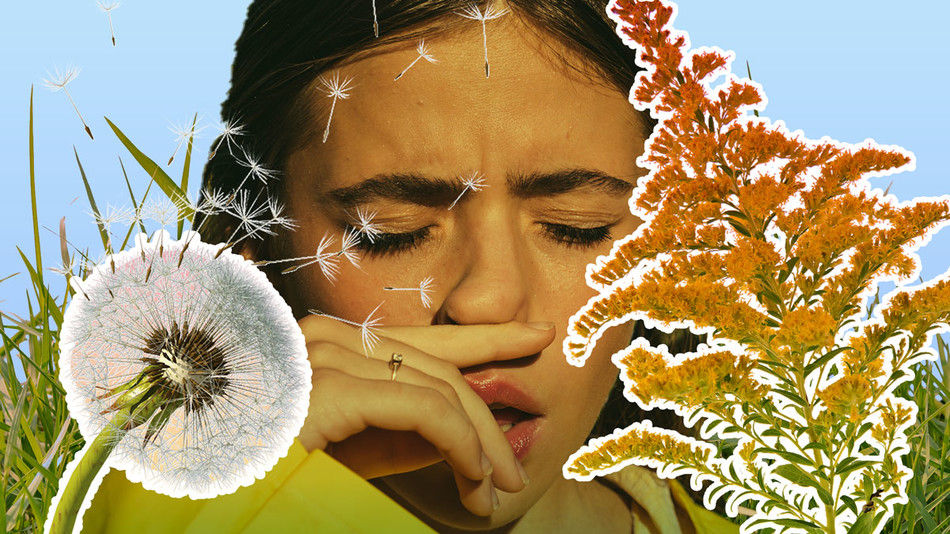
Seasonal allergies (also called allergic rhinitis (“cedar fever”, “hay fever”) happen when your immune system overreacts to airborne triggers like pollen from trees, grasses, or weeds. Here’s a practical guide to understanding and managing them effectively.
🌿 Common Symptoms
Sneezing
Runny or stuffy nose
Itchy eyes, nose, or throat
Watery/red eyes
Dry unproductive cough
Fatigue (often overlooked but common)
🌼 What Triggers Seasonal Allergies
Spring: Tree pollen
Summer: Grass pollen
Fall: Weed pollen (especially ragweed and mustard weed)
In North Texas, ragweed in late summer/fall and cedar and cottonwood tree pollen in spring are major culprits.
🛠️ How to Manage Seasonal Allergies
1. Limit Exposure (Most Important)
Check daily pollen counts (higher in mornings and windy days). Local weather stations often address pollen count, variety, and locations.
Keep windows closed during high pollen days
Use HEPA filters in your home forced air heating/air conditioning units.
Shower and change clothes after being outside
Do not change clothing in the bedroom, lay soiled clothing on the bed, or keep soiled clothing in the bedroom.
Avoid mowing lawns or being around fresh-cut grass on high pollen count days.
Minimize pets in the sleeping area.
Indoor pets should have routine grooming or bathing to minimize transfer of pollens and allergens
2. Medications That Actually Work
👍 First-line options
Antihistamines 2nd Generation (non-drowsy):
Cetirizine (Zyrtec)
Loratadine (Claritin)
Fexofenadine (Allegra)
👉 These limit histamine reaction, resulting in decreased symptoms, and work best when used daily.
Nasal steroid sprays (most effective overall):
Fluticasone (Flonase)
Budesonide (Rhinocort)
👉 These reduce inflammation—not just symptoms—and work best when used daily.
👍Add-ons if needed
Antihistamine eye drops (for itchy eyes)
Decongestants (short-term only—don’t overuse nasal sprays like Afrin)
3. Nasal Rinsing (Highly Underrated)
Use saline rinses (Neti pot or squeeze bottle)
Flushes out pollen and reduces inflammation
Do once daily during peak allergy season
Humidifier or Steam therapy
Increasing the moisture being inhaled aids in flushing out particles that can irritate the lining of the upper raspatory system.
👉 These reduce particle irritation to the moist membranes of the nose and pharynx by washing them off the surface.
4. Lifestyle Adjustments
Dry laundry indoors during high pollen days
Keep pets clean (they carry pollen inside)
Wear sunglasses outdoors to protect eyes
Use mask or mouth and nose covering when mowing or working outdoors.
👉 Minimizing dust, pollen, animal dander and small particles from clothing and bedding reduces the exposure in daily living environments. Protecting the sources of contact such as the eyes, nose, mouth, and skin minimize particle exposure and reduces symptoms.
5. Long-Term Solution: Allergy Immunotherapy
If symptoms are severe or persistent:
Allergy shots or tablets can train your immune system
These can take months to be effective but can significantly reduce or eliminate symptoms
👉 This option requires diagnostic allergy testing to identify antigens that initiate allergic response. This tests can identify food, environmental, animal dander, insects, etc, which are responsible for allergic reactions.
⚠️ When to Seek a Healthcare Provider
Symptoms last most of the year with minimal relief from home treatment.
OTC meds don’t help over a course of 10-20 days.
You get frequent sinus infections or asthma flare-ups.
Having difficulty breathing or swallowing.
💡 Simple Daily Routine (Effective Combo)
Morning: Over the Counter Antihistamine + nasal spray
After outdoor exposure: shower + change clothes
Wash hair and hands
Rinse eyes and nose
Don’t undress in the bedroom or lay day clothing on the bed
Evening: saline rinse, shower or bathe to wash off particles accumulated throughout the day.
Sleep with humidifier
Minimize pets sleeping on the bed with you
Change bedding weekly
Fluff pillows by using dryer once weekly as well.
Change air filters in AC/Heating unit every 3 months



Comments